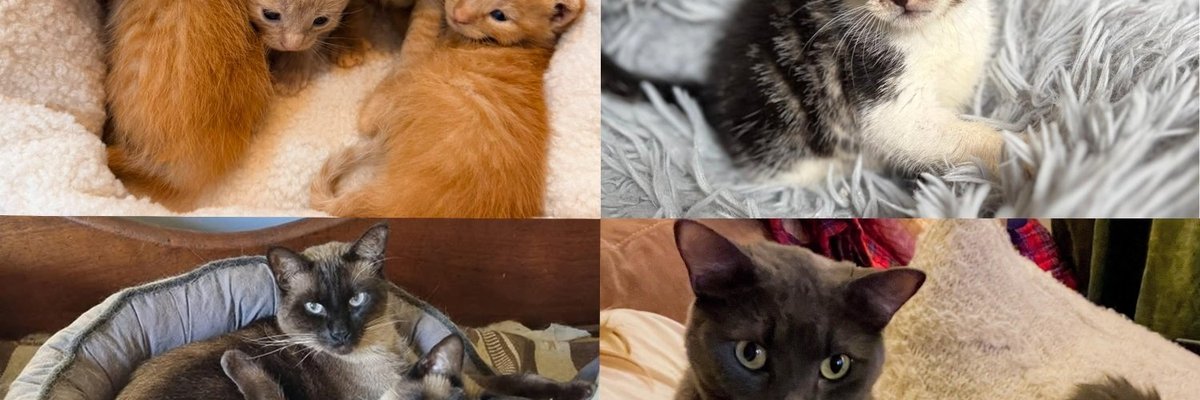
LoveMeow asked five cat rescues in five states one question this week: are you at or over capacity? One has paused intake since summer, another has taken in more cats than in any year of its history, and all five pointed at the same thing.
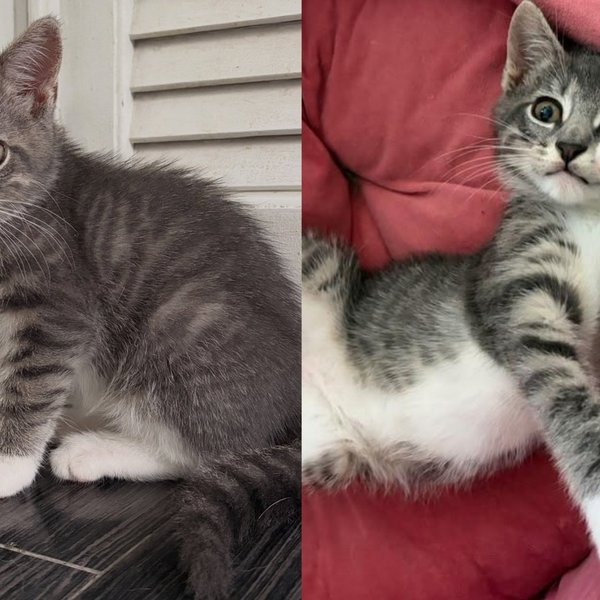
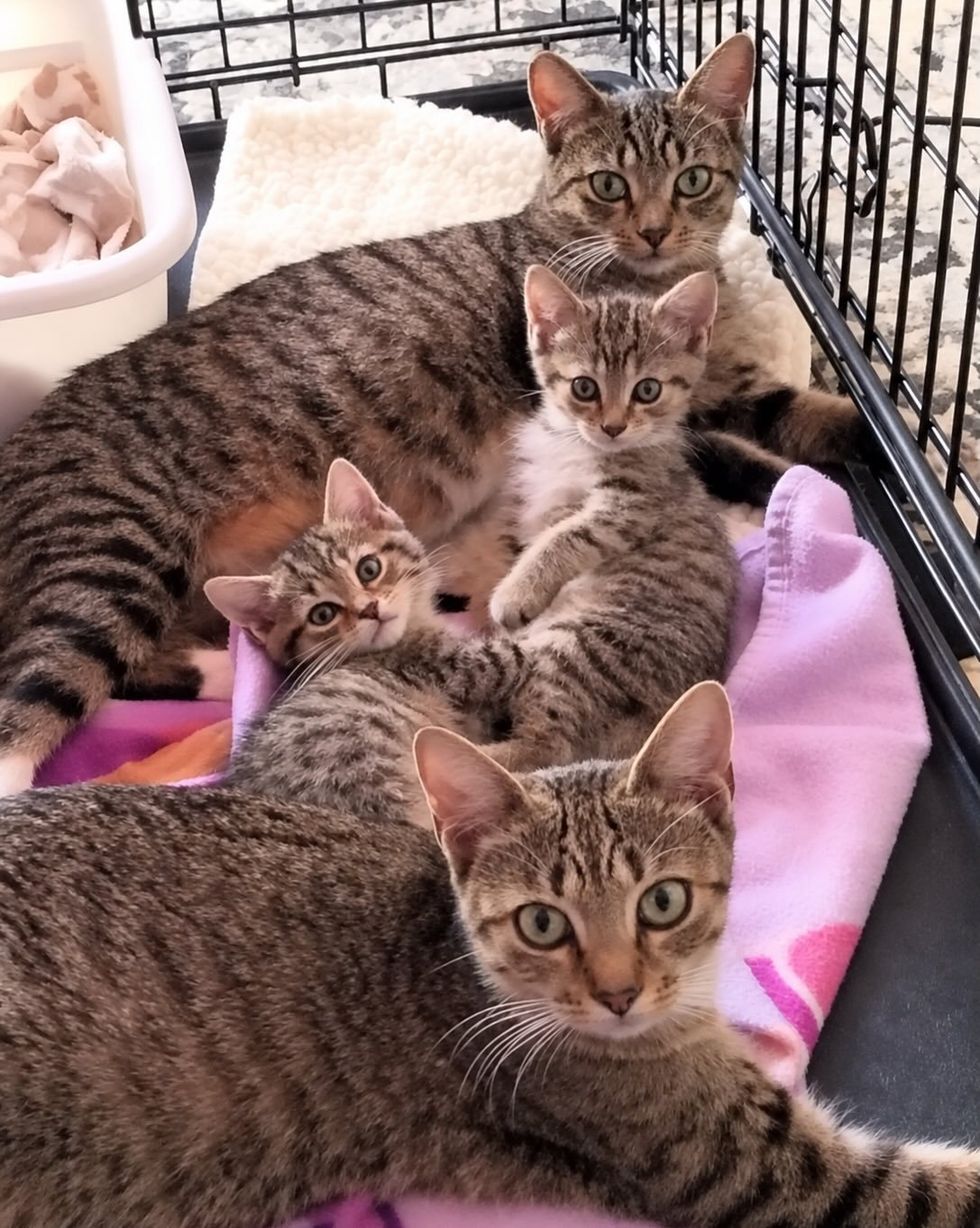 Clio and CalypsoCredit: Little Wanderers NYC
The rescues were Abandoned Pet Rescue in Fort Lauderdale, Florida; Little Wanderers NYC; Whiskers-A-GoGo in Brooklyn; Sparkle Cat Rescue in Burlington, North Carolina; and Homeward Bound Cat Adoptions in Las Vegas. Four of the five operate entirely through foster homes with no shelter building. One has paused intake since summer. One has taken in more cats in ten months than in any full year of its history.
Their answers describe something more specific than full shelters, and more fixable.
Every rescue named the same cause
LoveMeow did not ask any of these organizations about spay and neuter programs. All five raised it on their own.
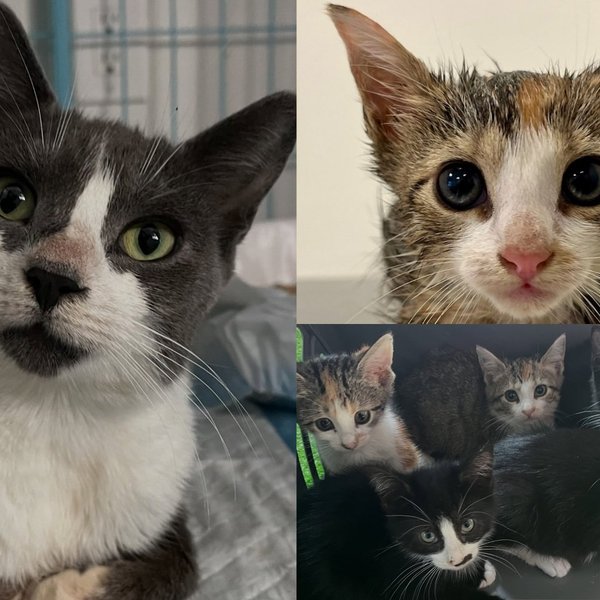
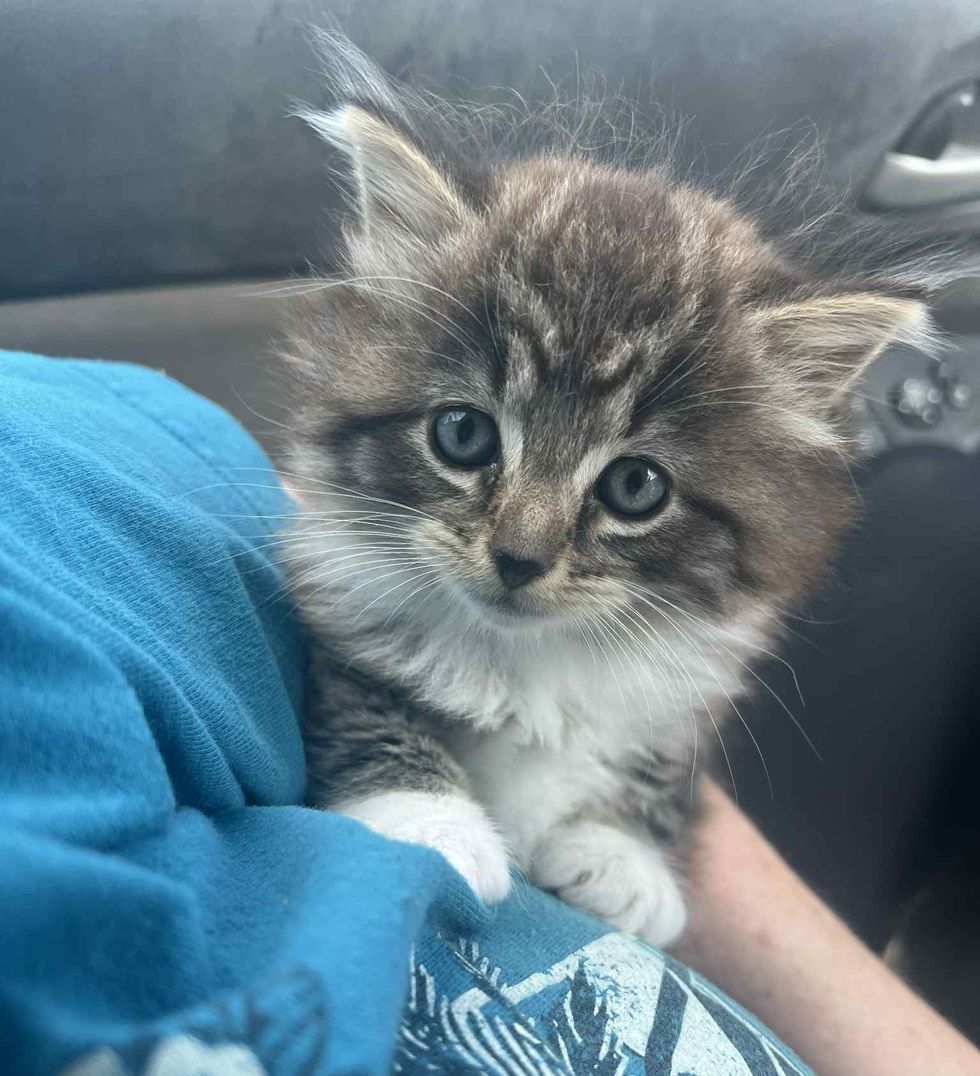 AnaCredit: Sparkle Cat Rescue
Kara Starzyk, executive director of Abandoned Pet Rescue, named it as the single biggest factor alongside a shortage of trap-neuter-return programs. In her state, the consequence is structural: Florida's climate lets cats breed year-round, so there is no winter pause to let a shelter population fall.
"Our shelter has long been at capacity, it's a revolving door," Starzyk told J. Allen of LoveMeow. "Because we are a private shelter, we can only take in pets when we have space available. When one goes out, a waitlist plus others are trying to come in constantly." Her organization fields around 30 calls, emails, and walk-ins a day, roughly half of them for cats.
Stephanie Grantham, president of Sparkle Cat Rescue, said people in her area are struggling to find affordable spay and neuter services, and that the shortage feeds directly back into intake. The result, she told LoveMeow, is that "the cycle just goes on and on."
In New York City, Lisa Scroggins of Little Wanderers NYC framed it as a funding question. "If there was city help and funding for spay/neuter services and rescue requests, we'd really be attacking the root of the problem," she told Megan Marie of LoveMeow.
The pattern is not limited to the organizations LoveMeow contacted. In Jim Thorpe, Pennsylvania, Carbon County Friends of Animals stopped accepting cats entirely in October after running out of cages. President Susie Yaich told the Times News that low-cost spay and neuter appointments in her area were booked until late November.
"It's not necessarily a no. Often, it's a not right now."
Homeward Bound Cat Adoptions admitted 1,736 cats in the first ten months of 2026, more than in any full year since it began keeping these records. Its admissions are also booked several weeks out.
 Freeway Credit: Homeward Bound Cats
Both things are true at once, and that is the part the simple version of this story misses.
"Capacity for care is about so much more than having a space," said Kimberly Wade, consultant for marketing and operations at Homeward Bound. "It's having enough people, time, funding, medical resources, and space to meet every animal's physical and emotional needs. We have to be able to properly care for the cats already counting on us before we can responsibly take in more."
Asked directly whether the rescue was turning cats away, Wade declined the premise. "We're not necessarily saying no. Often, it's a 'not right now,'" she told LoveMeow. "Our admissions are booked several weeks out, so we evaluate each situation individually, prioritize urgent cases, and work with people to find the best available option for their cats."
The organization's admissions over five years show what absorbing a rising caseload looks like from inside.
| Year | Cats admitted | % Change |
|---|---|---|
| 2022 | 849 | |
| 2023 | 1,007 | +18.6% |
| 2024 | 952 | -5.5% |
| 2025 | 1,688 | +77.3% |
| 2026, thru October | 1,736 | +2.8% |
That is 104.5% growth in four years, with November and December still to come.
"Under new leadership, over the past three years we've made a lot of intentional changes to our programs, operations, and use of resources, and those changes have allowed us to help more cats than Homeward Bound has ever been able to before," executive director Vanessa Porter said in a statement to LoveMeow. "While we're extremely proud of that, the real story isn't the numbers. It's that hundreds more cats are receiving the care, medical treatment, and second chances they deserve."
Porter was direct about the trend underneath her own growth. "More people are reaching out for help, more cats are entering the system, and animal welfare organizations across the country are facing increasing pressure," she said. "This isn't a challenge unique to Homeward Bound."
For most rescues, capacity is people
Four of the five organizations have no building. Their ceiling is a headcount of volunteers and a bank balance.
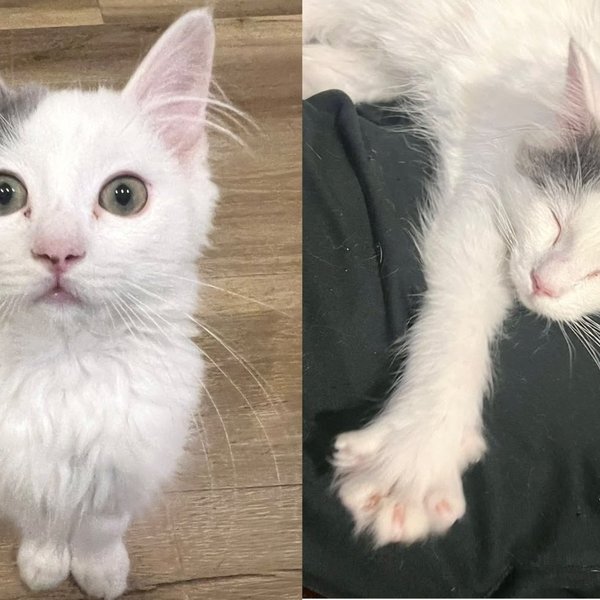
 Twix and Kit Kat Credit: Abandoned Pet Rescue
Sparkle Cat Rescue has paused intake since the summer, and Grantham laid out the sequence in one breath. "Our intake this year has been way down because adoptions are slow. Donations have been down both monetarily and supply-wise. People are not applying to foster when we ask, and we simply cannot help cats when those three things occur."
The effect compounds. "Kittens are growing up in foster care and adult cats have not found homes," she said.
Eva Prokop of Whiskers-A-GoGo described the same arithmetic. "We are a foster-based rescue, not an open intake shelter, so we never intake all cats and kittens we are offered or asked to intake," she told J. Allen of LoveMeow. "Our capacity depends on our fosters and financial situation." Her rescue's response is to grow the network rather than ration it: "We try to increase our capacity by growing our foster network, training and inspiring them."
Prokop was also clear that her situation is not the hardest one. "We think that open intake shelters, municipal shelters contracted by municipalities as animal control, are in a much more difficult situation." Those shelters are obligated to accept every animal brought to them.
Scroggins made the case that foster networks reach places a building cannot. Little Wanderers works in some of the hardest-hit areas of New York City and provides direct services in low-income communities, and its volume, she said, rivals that of brick-and-mortar shelters. "Nonprofit grassroots groups like Little Wanderers are crushed by endless requests," she said. "Our volunteer team is remarkable."
New York's foster networks are also working under new rules. The state's Companion Animal Care Standards Act took effect on December 15, 2025, and includes a personnel training section. According to Prokop, fosters must now complete a training course before taking animals in, on top of each rescue's own requirements. "We make sure to match fosters with animals that they are comfortable caring for, age, socialization, etc.," she said.
Then 26 cats arrived from one house
Last week Homeward Bound agreed to take a group of 26 cats and kittens from a single family, arranging the intake in stages so its medical team could keep up. Then the family told them there were another 12 kittens and two mother cats who had to be out within two days.
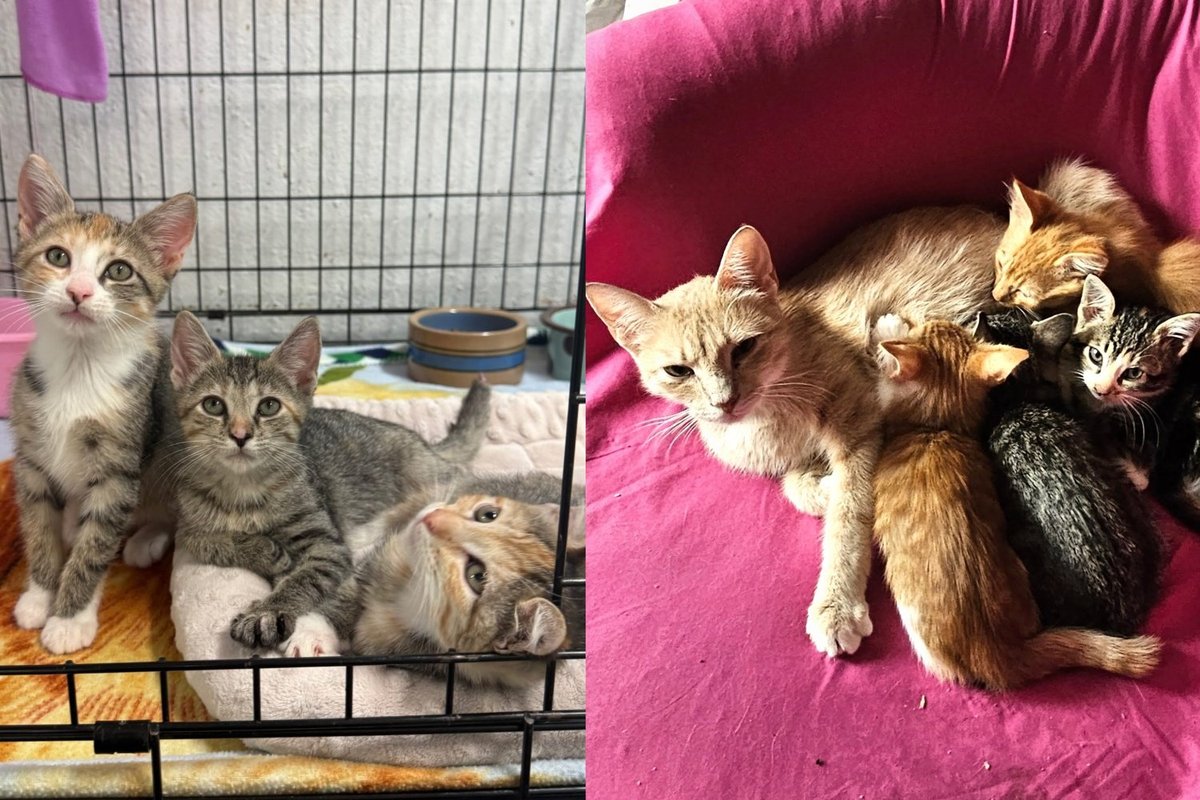
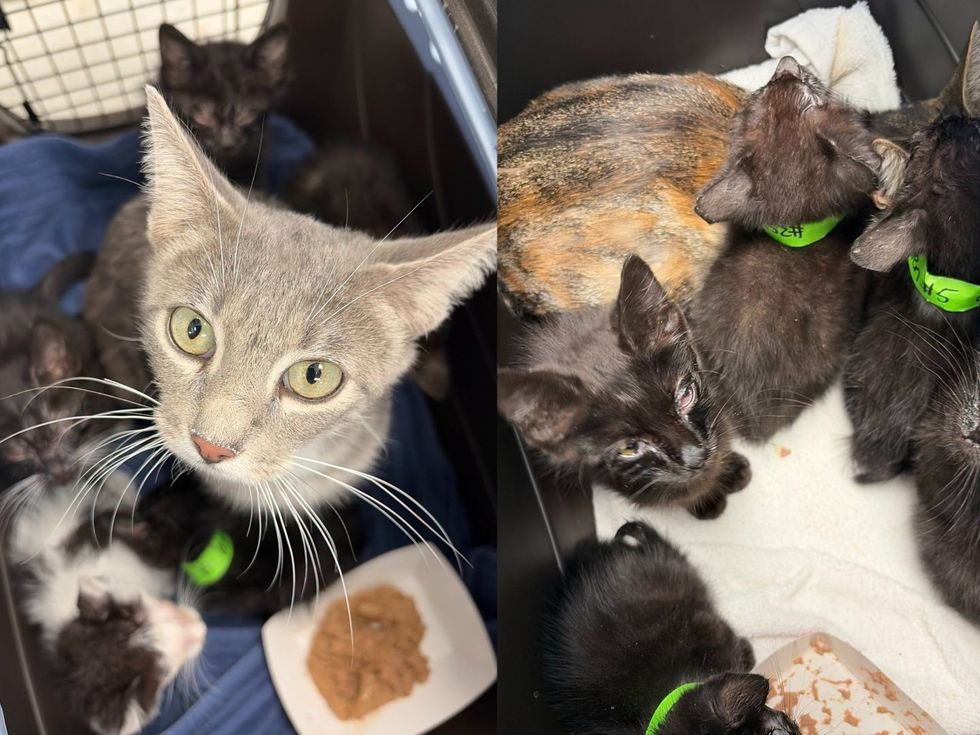 Multiple litters in 1 day Credit: Homeward Bound Cats
The family had contacted other organizations without getting a response. They had no money to pay for help. The kittens needed urgent veterinary attention, and without somewhere to go, they would be left outside to fend for themselves.
Homeward Bound was already past the capacity it considers responsible.
"When we know we're someone's only option, we do everything we can to find a way to help," Wade said. "We never want to see cats and kittens suffer or be abandoned simply because the system is overwhelmed. Sometimes that means getting creative and figuring out how to make room when we thought we had none."
They took all 40.
What the people doing this work say helps
Every organization pointed at the same two levers, in the same order.
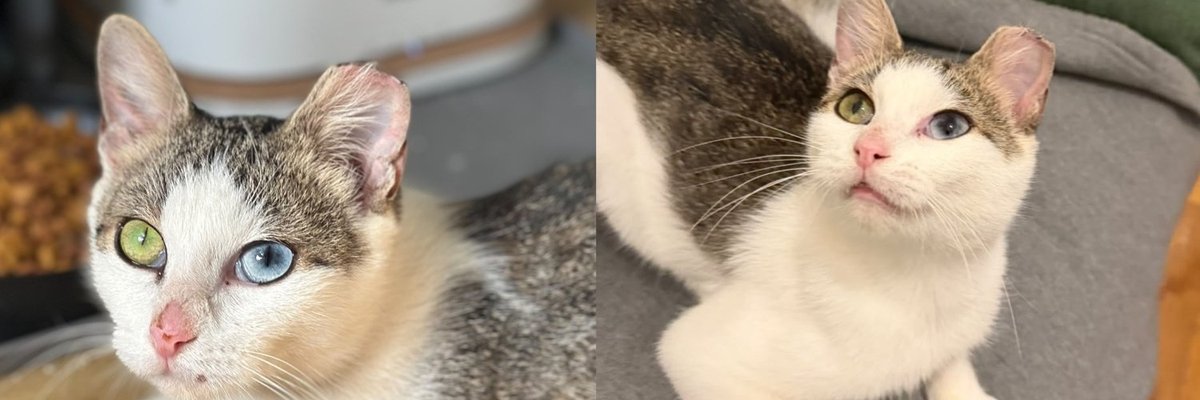
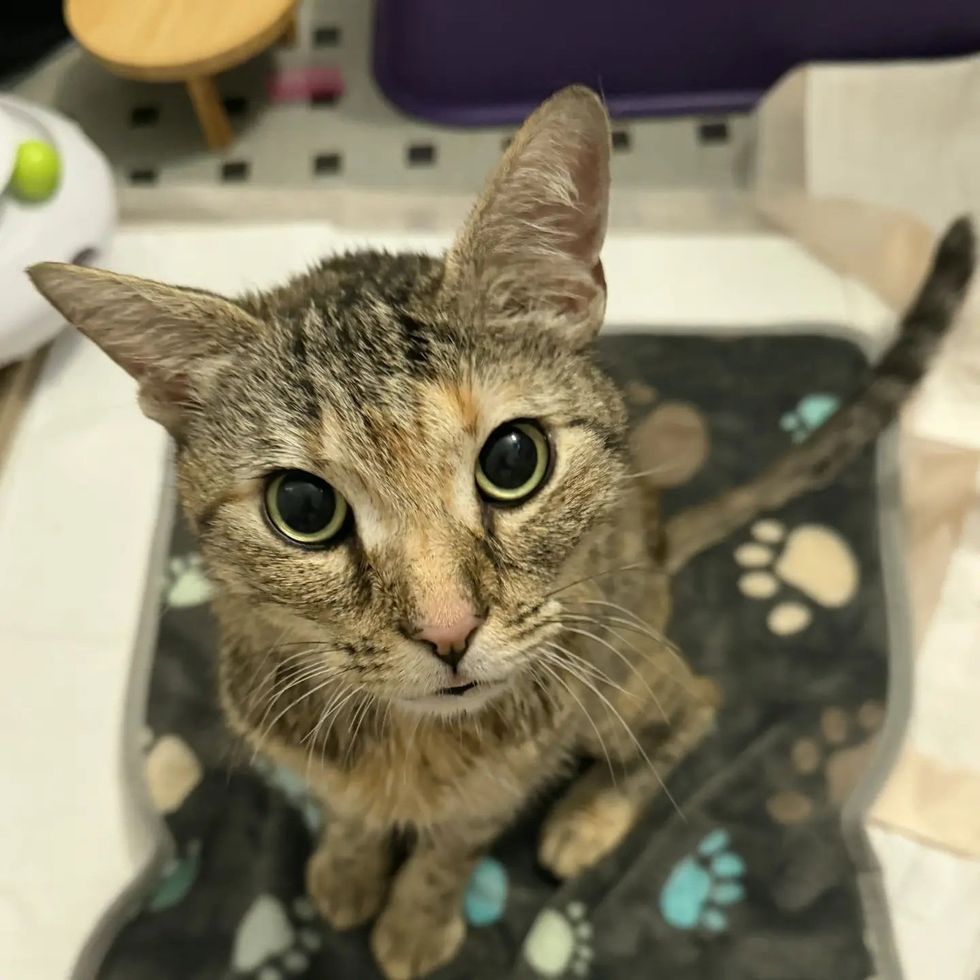 Eliza Hamilton Credit: Little Wanderers NYC
Adoption, because it is the only thing that creates room. "Every adoption does more than change one cat's life," Wade said. "It creates space, frees up resources, and allows us to say yes to another cat who needs help." Homeward Bound has more than 80 cats and kittens waiting. Starzyk put it the same way: "When you adopt, you are not only helping one animal find a home, you're helping other animals come into a safe space."
And affordable spay and neuter, because it is the only thing that reduces the number of cats needing rescue at all. Four of the five named it as the root cause, and none described it as solved anywhere.
Starzyk raised one more pattern her shelter sees often, and it is preventable. Older cat owners frequently have no plan for their animals. When something happens to the owner medically, and no arrangement exists, the cat ends up at a shelter.
What one open slot looks like
The numbers in this story are large enough to blur. It is worth remembering what a single opening in a foster network actually produces.
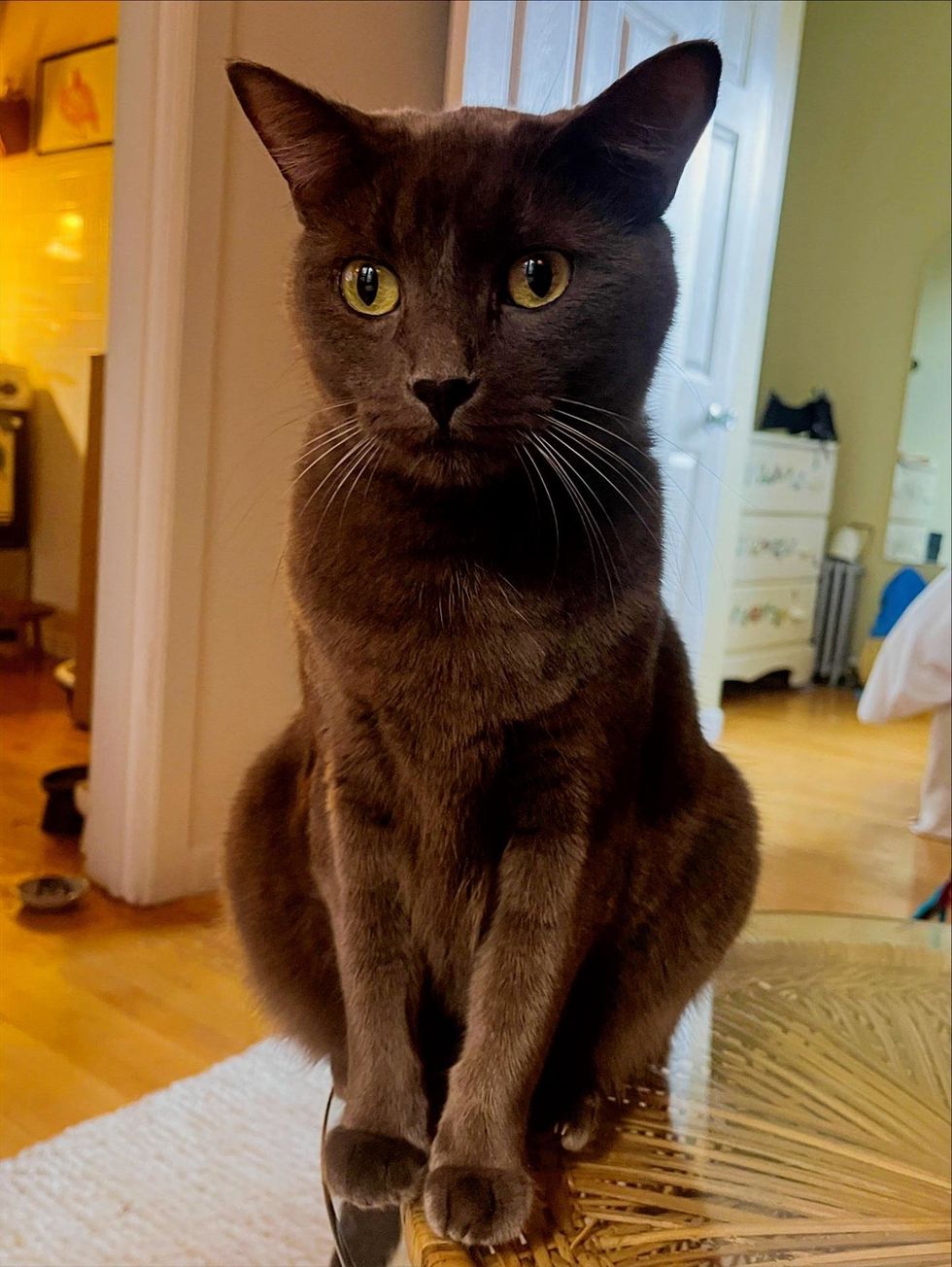 Truly Scrumptious Credit: Whiskers-A-GoGo
Whiskers-A-GoGo adopted out a gray kitten named Truly Scrumptious in 2022. Years later, after his adopter's relationship ended, he was passed between homes until he ended up on a Brooklyn sidewalk. A rescuer found him there and did the one thing that changed everything: she scanned him. The microchip led straight back to Whiskers-A-GoGo, which had never stopped being listed as his people.
They had room. It took him about three weeks to understand the moving had stopped. What emerged was a cat who holds hands while he is being cuddled and plays fetch with toy mice.
Every rescue in this story is deciding, several times a day, how many of those they can say yes to.
How to help
This week is National Animal Shelter Appreciation Week, which the people in this story will spend at or beyond their capacity for care. Every organization named here takes adoptions, foster applications, donations, and volunteers.
- Abandoned Pet Rescue, Fort Lauderdale, Florida
- Little Wanderers NYC, New York City
- Sparkle Cat Rescue, Burlington, North Carolina
- Whiskers-A-GoGo, Brooklyn, New York
- Homeward Bound Cat Adoptions, Las Vegas, Nevada
LoveMeow has reported on cats from three of these organizations before, including a cat family left in a bird cage outside Abandoned Pet Rescue, Truly Scrumptious and the microchip that brought him back to Whiskers-A-GoGo, and a kitten pulled off a Las Vegas freeway exit ramp by Homeward Bound.
Frequently Asked Questions
Are animal shelters full of cats right now?
Many are at or beyond what they describe as a comfortable capacity for care. A shelter in Jim Thorpe, Pennsylvania stopped accepting cats entirely in October after running out of cages. Several foster-based rescues told LoveMeow their admissions are booked weeks out or paused. But capacity is not only about space: four of the five organizations LoveMeow spoke to have no shelter building at all, and their limit is the number of available foster homes and the funding to cover veterinary care.
Why are so many cats entering shelters?
Every rescue LoveMeow spoke to named the same primary cause: a shortage of accessible low-cost spay and neuter services, and in some areas a shortage of trap-neuter-return programs. In warm-climate states such as Florida, cats breed year-round, so there is no seasonal pause. Rescues also reported adoptions and donations falling, which slows the rate at which cats leave and reduces the resources available to take in more.
What is the difference between an open-intake shelter and a foster-based rescue?
An open-intake shelter, usually a municipal facility contracted as animal control, is obligated to accept animals brought to it. A limited-admission or foster-based rescue can decide what it is able to take on responsibly, which is why its admissions may be scheduled weeks in advance. Several rescues noted that open-intake shelters face the harder version of this problem because they cannot decline.
What actually helps a shelter that is over capacity?
Adoption, because it is the only thing that frees space and resources. Fostering, because for most rescues the number of foster homes is the real ceiling rather than the number of cages. Donations, because veterinary care is the largest cost a rescue carries. And wider access to affordable spay and neuter, which is what every organization in this story named as the root cause.
How can I help cat shelters?
Six things, drawn from what the rescues in this story said they need most.
- Adopt an adult cat. Kittens move quickly. Sparkle Cat Rescue reported the opposite problem, that "adult cats have not found homes" while kittens grew up in foster care waiting.
- Say yes to a bonded pair. Pairs wait considerably longer than single cats because fewer adopters will take two, even though bonded cats are often easier to settle because they already have each other.
- Foster, even briefly. For a foster-based rescue, one additional foster home is one additional cat it can say yes to. Whiskers-A-GoGo matches fosters to animals they are comfortable caring for, so a first-time foster is not handed the hardest case.
- Donate supplies as well as money. Sparkle Cat Rescue reported donations down "both monetarily and supply wise." Most rescues publish a wish list.
- Spay or neuter your own cat, and help a neighbor do the same. This is the root cause every organization named. If cost is the barrier, ask local rescues which low-cost clinics they use.
- Make a plan for your cat. Kara Starzyk of Abandoned Pet Rescue said one pattern her shelter sees repeatedly is older owners with no arrangement in place. When something happens to the owner medically and nobody has agreed to take the cat, the cat arrives at a shelter. Naming someone willing to take your animal, in writing, prevents that.
Advocacy is the seventh. Little Wanderers NYC asked specifically for city funding for spay and neuter services, which is a decision made by local government rather than by rescues.